

Japan Ski Season 2026/2027: What To Expect
This week saw the yen drop to its lowest level in 40 years. If that isn't a reason to lock in your next Japan snow adventure, we aren't sure what is.
But exchange rates are just the start. This season brings a rare private resort launch, a wave of new direct flights, major lift upgrades at two of Japan's biggest resorts, and a shifting snow pattern that changes where the best days will be found. In this month's newsletter, we're unpacking all of it - from global weather cycles to resort infrastructure overhauls - so you can outsmart the crowds and secure the best lines.
Key Takeaways
Japan's 2026/27 ski season is shifting from La Niña to El Niño conditions, meaning slightly lower base-level snowfall but more bluebird days for backcountry access in Hakuba and Myoko. Hokkaido resorts like Niseko remain the most snow-reliable. Major 2026/27 developments include a new private ski resort at Club Togari (Nagano), a direct San Francisco-Sapporo flight route via United Airlines, and major lift upgrades at Niseko Village and Happo-One (Hakuba).
El Niño Is Here - What Now?
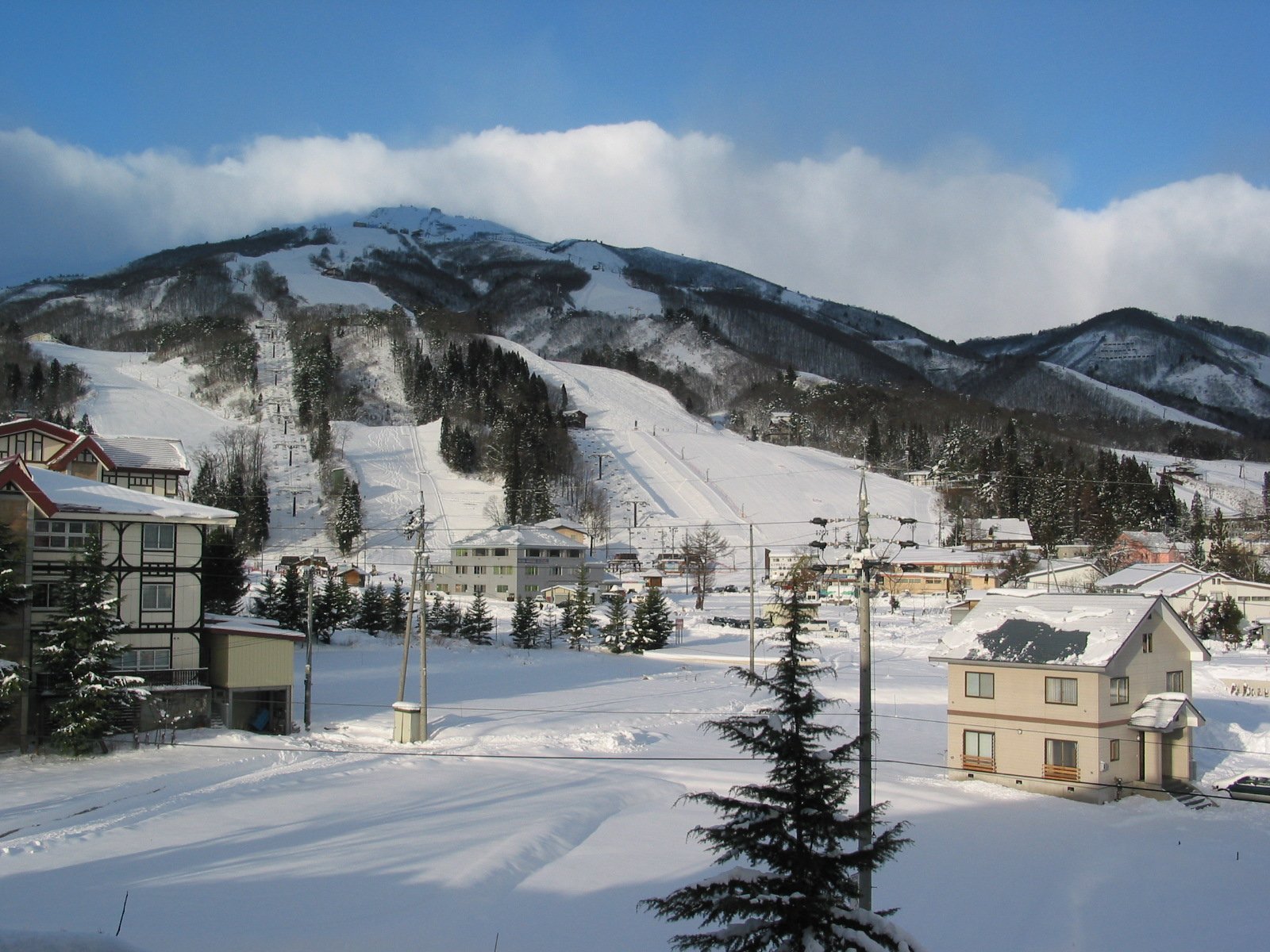
As everyone looking at Aussie and Kiwi resorts knows, La Niña (El Niño's much better-looking sister) has officially left the building. Climate bureaus have confirmed an El Niño pattern for the rest of 2026 - tough news for the tail end of the season at these resorts. But what does it mean for Japan?
An El Niño cycle typically shifts the rhythm of the weather systems heading towards Honshu (Nagano and Niigata). Instead of the non-stop, grey-sky daily resets of a La Niña winter, El Niño winters tend to bring massive, heavy storm cycles interspersed with clearer, milder stretches.
That can mean a bit more temperature volatility down at the valley floor during shoulder periods. But the high-alpine zones tell a different story entirely: for the big, steep terrain of the Hakuba Valley and Myoko, those clear windows between storms are a win, giving skiers the visibility to explore the spectacular upper-mountain bowls and backcountry these regions are famous for.
Let's Talk Metres: La Niña vs. El Niño Across Japan's Ski Areas
Totals vary by location depending on the global climate pattern, but let's be real: even in an El Niño cycle, Japan's baseline numbers are impressive. In La Niña seasons, there's a wild amount of snow. In El Niño seasons, there's slightly less than a wild amount - but it remains huge by any Western standard.
Remember, these are base/valley figures only. Upper-mountain accumulations are generally at least double these numbers (in Japan at least).
Resort Comparison - Average Seasonal Snowfall (Base/Village Level)
| Resort / Region | La Niña Season | Neutral Season | El Niño Season |
|---|---|---|---|
| Niseko (Hokkaido) | 11.5m (38ft) | 10.5m (34ft) | 9.5m (31ft) |
| Myoko Kogen (Niigata) | 7.5m (25ft) | 6.3m (21ft) | 5.2m (17ft) |
| Furano (Hokkaido) | 6.5m (21ft) | 6.2m (20ft) | 5.5m (18ft) |
| Appi Kogen (Iwate) | 6.5m (21ft) | 5.3m (17ft) | 4.4m (14ft) |
| Aspen Snowmass (Colorado, USA) | 5.3m (17ft) | 5.1m (17ft) | 4.8m (16ft) |
| Hakuba Valley (Nagano) | 6.2m (20ft) | 5.1m (17ft) | 4.1m (13ft) |
| Thredbo (NSW, Australia) | 2.4m (8ft) | 2.3m (8ft) | 1.8m (6ft) |
Japan data source: SnowJapan Independent Daily Reports (20-season average).
Aspen Snowmass figures converted from historical seasonal average.
Thredbo figures estimated using historical Spencer's Creek snowpack data and local resort averages.
The takeaway: if you're headed to Hokkaido, the northern powder engine operates on its own rules and stays relatively bulletproof. If you're headed to Honshu's mega-resorts like Hakuba, expect the ultimate hybrid winter - deep, heavy powder days up top, paired with a much higher chance of clear bluebird days to soak up the alpine views.
The Pass Effect and How It's Redefining Crowds
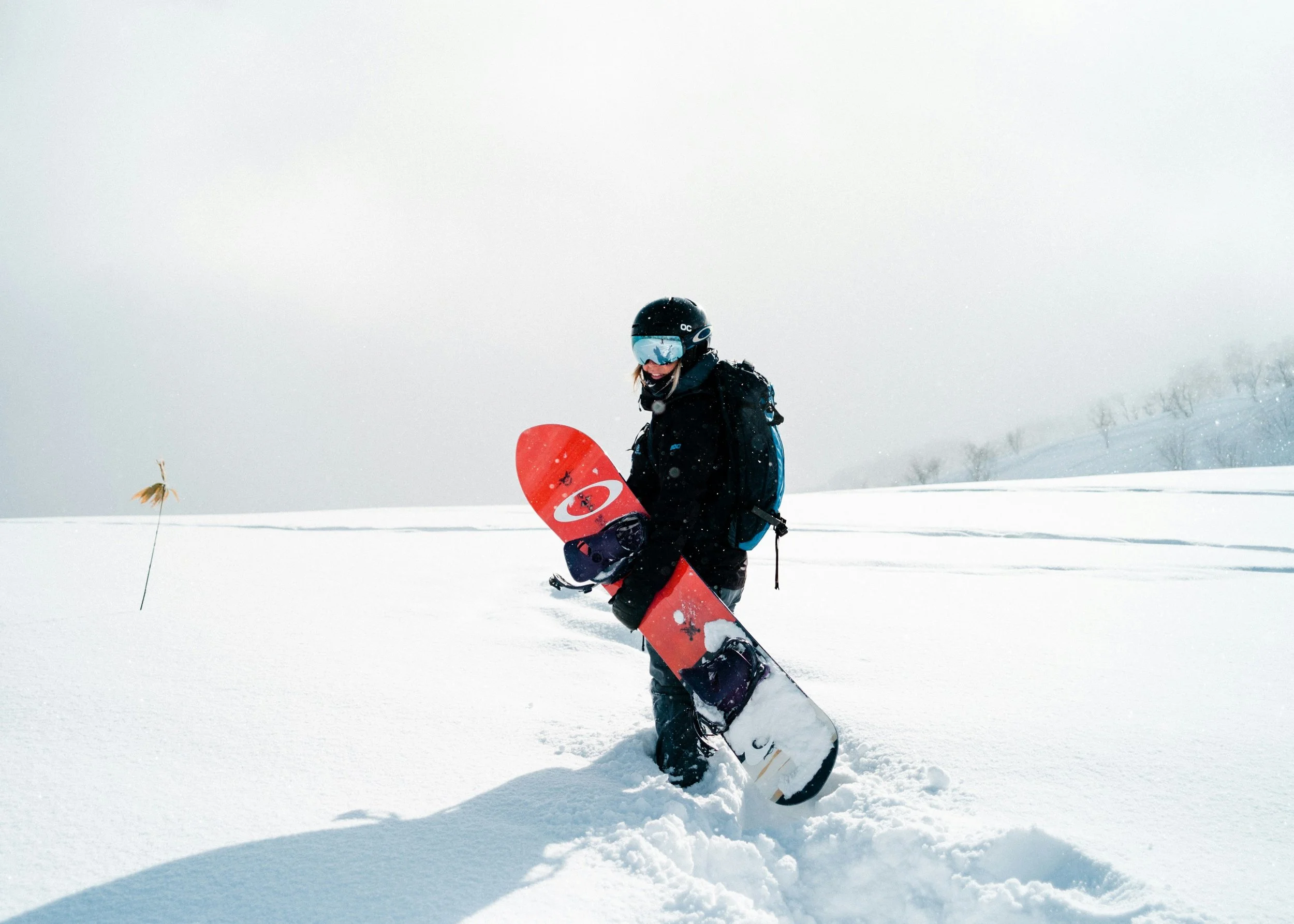
One of the driving forces behind Japan's recent explosion in international visitor numbers has been the arrival of the Ikon Pass and Epic Pass. We all know how these products have rewritten the global fabric of snow sports, and their footprint in Japan is growing fast.
Lift passes in Japan are still famously inexpensive compared to Western markets, so price has rarely been the deciding factor in choosing a resort - skiers and snowboarders have simply picked a mountain on its own merits. The arrival of multi-resort passes is shifting that dynamic, concentrating traffic across the core partner resorts: Niseko United and Lotte Arai for Ikon Pass holders, and the Hakuba Valley and Rusutsu for Epic Pass holders.
This has changed the visitor mix almost overnight. Hakuba quickly became the dominant choice for Australian and Kiwi guests, while Niseko saw a dramatic influx of North American travellers - in fact, for the first time in history, the United States has officially overtaken Australia and Hong Kong as Niseko's top international overnight market.
This influx has also brought something rarely seen in Japan since the ski-crazed bubble era of the 1990s - genuine lift lines at some resorts. To be fair, a "busy" day in Japan is still a breeze compared to a weekend morning at Aspen or Vail.
The upside is that this wave of international visitors has injected serious capital back into the mountains. Both Niseko and Hakuba are undergoing massive transformations, replacing classic infrastructure with state-of-the-art lift networks designed to eliminate queues entirely:
Niseko Village: a major multi-phase lift rollout starting late 2026, including a brand-new Mori-no Gondola with 86 cabins, four of which will be exclusive VIP dining carriages.
Happo-One (Hakuba): a December 2027 redevelopment replacing the iconic, 40-year-old Adam Gondola with an ultra-fast modern system and a premium base centre.
A New Frontier for Ikon Holders
If you want to bypass the main pass hubs entirely, the geographic footprint is expanding. Seven more Japanese resorts have joined the Ikon Pass line up: Shiga Kogen, Appi Kogen, Furano, Myoko Suginohara, Mt. Tanigawadake (Mt. T), Nekoma Mountain, and Zao Onsen.
Each offers a distinct, highly authentic character. The real question for the season ahead is whether Ikon Pass holders will step off the beaten track for these quieter, powder-heavy hidden gems.
Flight News

Several major airline developments are reshaping how we map out itineraries this season.
United Airlines is launching a direct flight from San Francisco (SFO) to Sapporo (CTS), three times weekly during the ski season. It skips the transfer through Tokyo entirely - fly straight into Hokkaido, and two and a half hours later you can be in Niseko getting your boots fitted.
China Airlines via Taipei is one route we rate highly for getting to Tokyo from Australia. Book Premium Economy from Sydney and the short Taipei stopover secures a free upgrade to Business Class for the Tokyo leg - or go full Business Class flat-bed the whole way, at fares that are very competitive for the routing.
Qantas is expanding its premium comfort options across its Japan network (flown out of Sydney, Melbourne, and Brisbane on its A330 fleet) right in time for peak season. Cabin configuration varies, so it's worth checking closely when booking:
On the flagship Sydney-Haneda (SYD-HND) route, the A330-300Y on QF25/QF26 features a dedicated 21-seat Premium Economy cabin in a 2-3-2 layout.
Across the rest of the A330 fleet, Qantas is rolling out its new Economy Plus product - bookable in the forward main cabin, with extra legroom, priority group boarding, and priority overhead locker access.
Qantas is also adding 30,000 additional seats between Melbourne (MEL) and Tokyo Narita (NRT) to meet growing seasonal demand.
British Airways has announced an increase in flights from London (LHR) to Haneda (HND) to twice daily.
If you're coming from Europe, talk to us early so we can map the fastest connection for your home airport.
Club Med Early Bird Deals
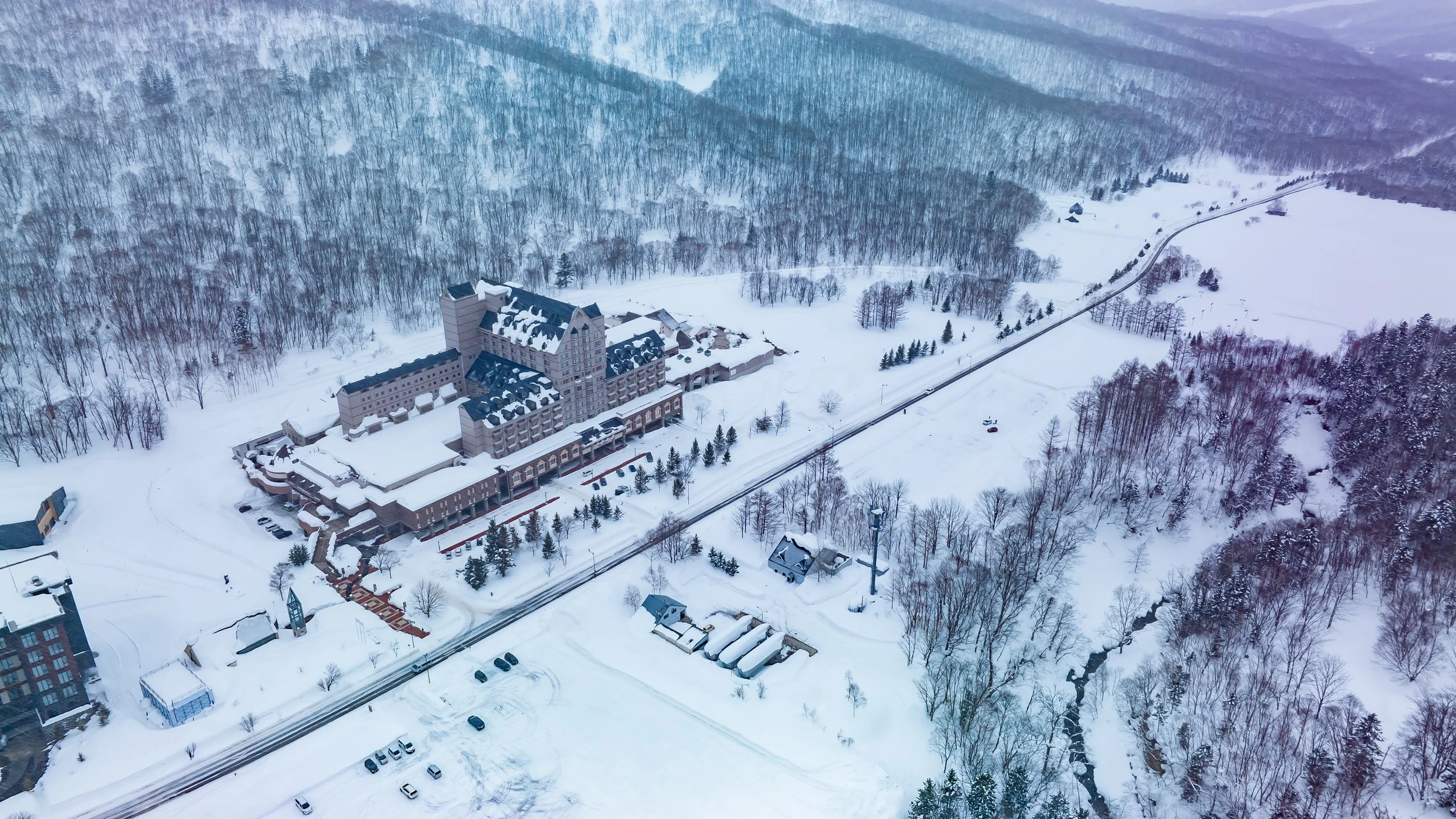
Who doesn't love an all-inclusive stay, especially one with free lessons? Club Med's Japan resorts are known for a zero-effort snow experience - lessons, kids' club, meals, and open bars all taken care of, on some of the best ski-in, ski-out real estate in Japan.
We visited Club Med Tomamu last season - the ski-in, ski-out location practically guaranteed first-chair access to knee-deep powder every morning.
Club Med is currently running Early Bird deals for the 2026/2027 season. Packages start from AU$3,840 per adult - excellent value for a low-stress family break where great snow is all but guaranteed.
Niseko: The Second Coming
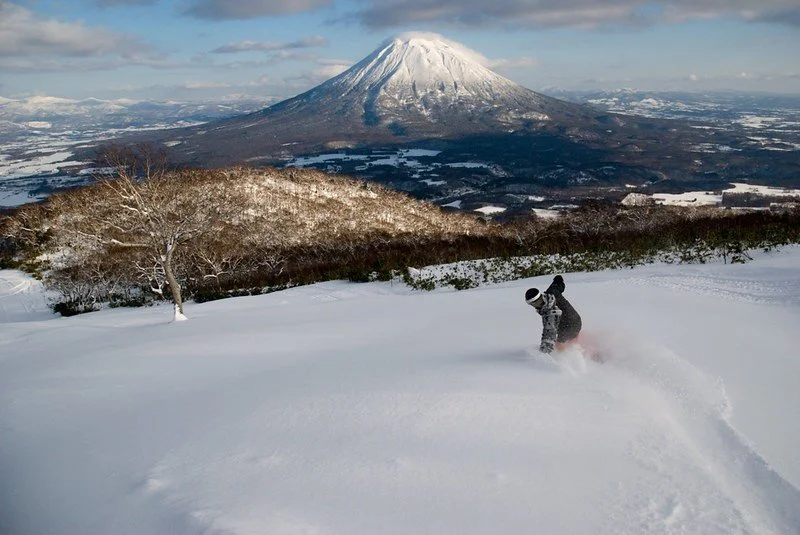
Niseko sometimes gets a bad rap from travellers - a lingering sense that it's become too Westernised, too "Aussie-fied," and lost its Japanese soul. There's a grain of truth to that: premium accommodation and dining have priced out many locals, so you probably won't be practising your Japanese conversational skills in the lift line.
But you're still unmistakably in Japan, on one of the best ski fields on the planet. (If you want a more traditional cultural fix, we highly recommend spending a few nights in Tokyo or Kyoto on either side of your trip.)
What Niseko lacks in sleepy-village charm, it makes up for in quality snow (especially in El Niño years), accommodation to suit every budget, a huge spread of restaurants and bars, and some of the newest infrastructure in the country.
Heavy investment in accommodation over recent years means far more choice - from hotels to chalets, with more ski-in, ski-out properties than in many other resorts. Rising demand for Nozawa and Hakuba has closed the price gap that used to exist between Hokkaido and Honshu, and at this later stage in the booking cycle, Niseko arguably has both a wider range of accommodation and better pricing than many Honshu resorts.
New Property Openings We're Excited About
Club Togari (Nagano)
The stunning Club House at Club Togari - Japan’s first private ski resort
Togari has been on our radar for a while - the smaller, lesser-known cousin of Nozawa Onsen, sitting directly across the valley. It gets the same Honshu snow dumps without the international profile, and it's where we send our Nozawa regulars looking for an uncrowded day of Japow.
The secret is now officially out. A Japanese investment firm has acquired the resort to create Japan's first private ski resort experience. Run like an exclusive golf club, but for snow, Togari's White Dragon Field is being converted into a strictly private slope - though club members and hotel guests get exclusive, unlimited access to the whole mountain. The build includes 22 private villas, a boutique hotel, and two on-site restaurants, all operational for the start of the 26/27 season.
Hoshino Resorts KAI Zao Onsen (Yamagata)
We scouted this build while in Zao last season. Hoshino Resorts is a premier Japanese hospitality group run by a passionate skier, and it shows in how well their alpine properties are executed.
Zao itself feels a bit like Nozawa did 20 years ago - quaint, traditional, and famous for its frost-covered trees (aka Snow Monsters). This property is a luxury boutique ryokan (traditional inn) but breaks the mould with its location: a three-minute walk to the ski fields, and a short stroll to restaurants and shops. Opening this October in time for the 26/27 winter - we're taking reservations now.
Hakuba Alps Hotel (Nagano)
Not in Hakuba proper, but this one has plenty going for it. Recently bought and refurbished by Plan.Do.See - a boutique Japanese hotel group behind some of the coolest properties in the country - it sits in the Hakuba resort of Norikura, backing onto the Hakuba Cortina. It's true ski-in, ski-out, a rarity in Hakuba, right on some of the best snow in the valley.
Between the ski-to-door location and the elevated food, beverage, and design standard the new management brings, this will be a standout base. Our team will be among the first guests staying there this season.
Ready to Lock In Your Season?
Whether it's your own private villa at Togari, a room at KAI Zao, a spot on the list at Hakuba Alps Hotel, or simply the right flights and dates, get in touch now - this is shaping up to be one of the most dynamic, fast-moving booking cycles we've seen for Japan.
Wishing you Peace, Love, and Powder Days!
The Snow Concierge ❄️